Workplace health and safety is about far more than protective equipment and checklists. For women, ergonomics plays a crucial role in preventing musculoskeletal disorders (MSDs) and ensuring equity at work. Research shows that women experience higher rates of work-related MSDs, even though they often perform less heavy lifting than men. Instead, repetitive tasks, poorly designed workstations, and equipment that doesn’t fit their bodies contribute to discomfort and long-term injury risks.
It’s time to look at ergonomics through a gender-inclusive lens.
Why Women Are More Susceptible to MSDs
Physiological and Anatomical Differences
Most workstations, tools, and protective equipment are designed with male bodies in mind. For women, this mismatch often means poor posture, overreaching, and strain. With less upper body muscle mass, women may face greater physical stress when performing the same tasks. Added to this, women generally have greater joint mobility, which can increase the risk of repetitive strain injuries.
The Dual Role Burden
Many women perform physically demanding and repetitive domestic chores after hours. This “second shift” adds to fatigue and the likelihood of overuse injuries, compounding the risks faced in the workplace.
PPE and Tool Design Bias
Protective equipment such as gloves, safety goggles, and harnesses often fits poorly on smaller frames. Ill-fitting PPE can reduce mobility, impair grip, and in some cases even increase risk rather than provide protection.
Hormonal and Life-Stage Factors
Pregnancy and menopause bring unique ergonomic challenges. Pregnancy changes joint stability, mobility, and energy levels, while menopause can trigger symptoms such as fatigue, hot flushes, and joint pain—all of which increase the risk of injury.
The Importance of Gender-Inclusive PPE
Employers have both a legal and ethical duty to provide properly fitting PPE for all staff. For women, this means:
- Proper Fit and Sizing: Protective gear should be available in a wide range of sizes that accommodate narrower shoulders, different chest profiles, and wider hips. Oversized gloves, loose goggles, or ill-fitting harnesses simply aren’t safe.
- Design for Gender-Specific Needs: Adjustable belts, straps, and modular sizing help ensure safety without restricting comfort.
- Footwear: Safety boots designed for narrower feet and smaller sizes improve stability and prevent blisters.
- Eye and Ear Protection: Goggles and earmuffs must seal properly against smaller faces and heads to remain effective.
Inclusive PPE design isn’t just about compliance—it’s a tangible sign of respect for diversity in the workplace.
Ergonomics During Pregnancy
Pregnancy changes everything from posture to circulation, and workplace adjustments are essential to protect both mother and baby. Common risks include:
- Postural Changes and Spinal Strain: A shifting centre of gravity and increased lumbar curve often cause back pain. Chairs with lumbar support, footrests, and adjustable seating can help.
- Prolonged Sitting or Standing: Swelling, varicose veins, and dizziness may result from poor circulation. Regular breaks and anti-fatigue mats are recommended.
- Repetitive Movements: Instability in joints increases injury risk—flexible scheduling and rest breaks reduce strain.
- Manual Handling: Heavy lifting should be avoided, with tasks redesigned to minimise effort.
Simple adjustments, such as keeping items within easy reach, ensuring well-ventilated spaces, and offering flexible schedules, can make an enormous difference.
Ergonomics During Menopause
Menopause introduces a unique set of challenges that workplaces must address with empathy and proactive support:
- Thermal Discomfort: Hot flushes and temperature sensitivity are exacerbated in poorly ventilated environments. Access to fans, breathable uniforms, and hydration is vital.
- Sleep Disruption and Fatigue: Night sweats and insomnia can lead to daytime drowsiness, slower reaction times, and poor posture. Flexible scheduling helps women manage energy levels.
- Muscle and Joint Pain: Adjustable workstations and movement breaks are essential for reducing strain.
- Cognitive Changes: Brain fog, forgetfulness, and difficulty concentrating are real risks. Cultures that acknowledge and support these challenges can improve productivity and wellbeing.
Long Nails and Ergonomics
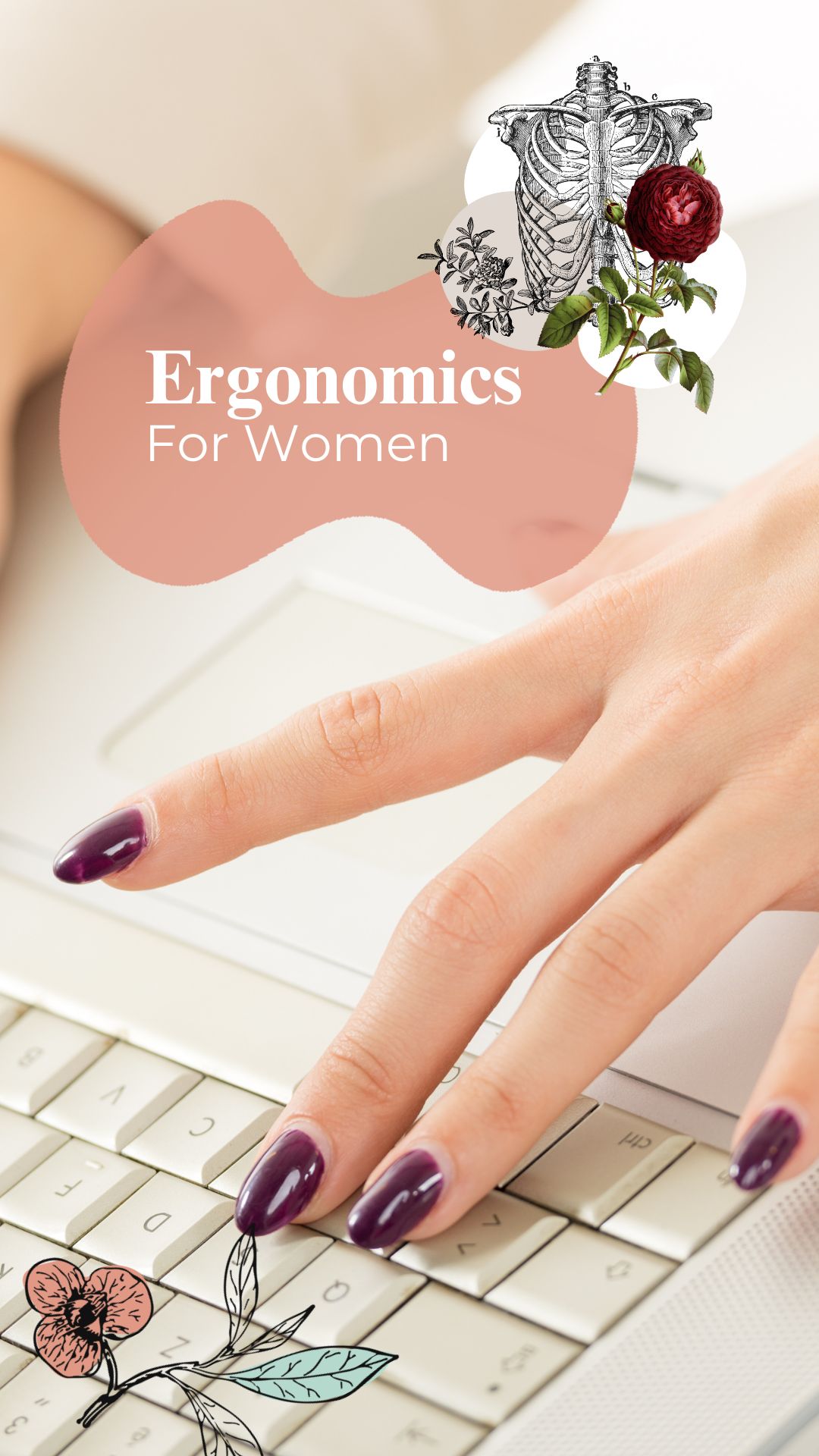
It may sound trivial, but long nails can affect typing posture and hand ergonomics. Overextending fingers increases the risk of tendonitis and carpal tunnel syndrome, while awkward typing positions slow efficiency. Tips to prevent strain include typing with the finger pads rather than tips, keeping nails at a manageable length, and taking regular breaks to stretch hands and wrists.
Building a Healthier Future
Ergonomics for women isn’t a niche issue—it’s a matter of workplace equity and safety. By considering physiological differences, life-stage factors, and inclusive PPE design, employers can reduce the risk of musculoskeletal injuries while improving comfort, productivity, and morale.
Ultimately, healthy workers are happier, more engaged, and better equipped to thrive.
At Health with Heart, we believe in building workplaces where everyone’s wellbeing is prioritised. Chat to us about creating ergonomically safe environments tailored to women’s needs.