Humans are storytelling beings – our lives are shaped not just by the events we experience but by the stories we tell about them. In Chimamanda Ngozi Adichie’s TED Talk, The Danger of a Single Story, she explores how a singular, narrow narrative can limit our understanding of ourselves and others. This idea extends beyond culture and identity into the realm of health and wellbeing. The stories we carry – about our past, our bodies, our worth – can become deeply embedded in our biology, influencing our stress response, immune function, and even disease risk.
But just as stories can confine us, they can also liberate us. By retelling an old trauma through a new lens, we can reshape how it lives within us, shifting from victimhood to resilience, from limitation to growth.
Stress is often seen as the enemy, but in reality, it is a necessary force for growth, adaptation, and transformation. The relationship between stress and resilience follows a U-shaped curve – too little stress can lead to stagnation, while too much can push us into exhaustion and burnout. At the optimal midpoint, stress acts as a catalyst, sharpening focus, enhancing learning, and driving performance. This is what psychologists call eustress, the kind of challenge that fosters motivation, creativity, and resilience.
What’s more, the way that we perceive our stress impacts how that stress affects our bodies. A study published in Health Psychology analysed data from the 1998 National Health Interview Survey, linking it to mortality data through 2006. The study revealed that individuals who reported experiencing high levels of stress and believed that this stress had a negative impact on their health outcomes had an increased risk of 1.4 x increased risk of premature death compared to those who reported lower stress levels or those who did not perceive stress as detrimental to their health. This suggests that not only does stress have physiological effects, but the belief that stress is harming one’s health likely amplifies this negative impact. An extension of this thinking is the data that now links depression to heart attack and cancer diagnosis risk. There is no doubt that the way that we think impacts our bodies.
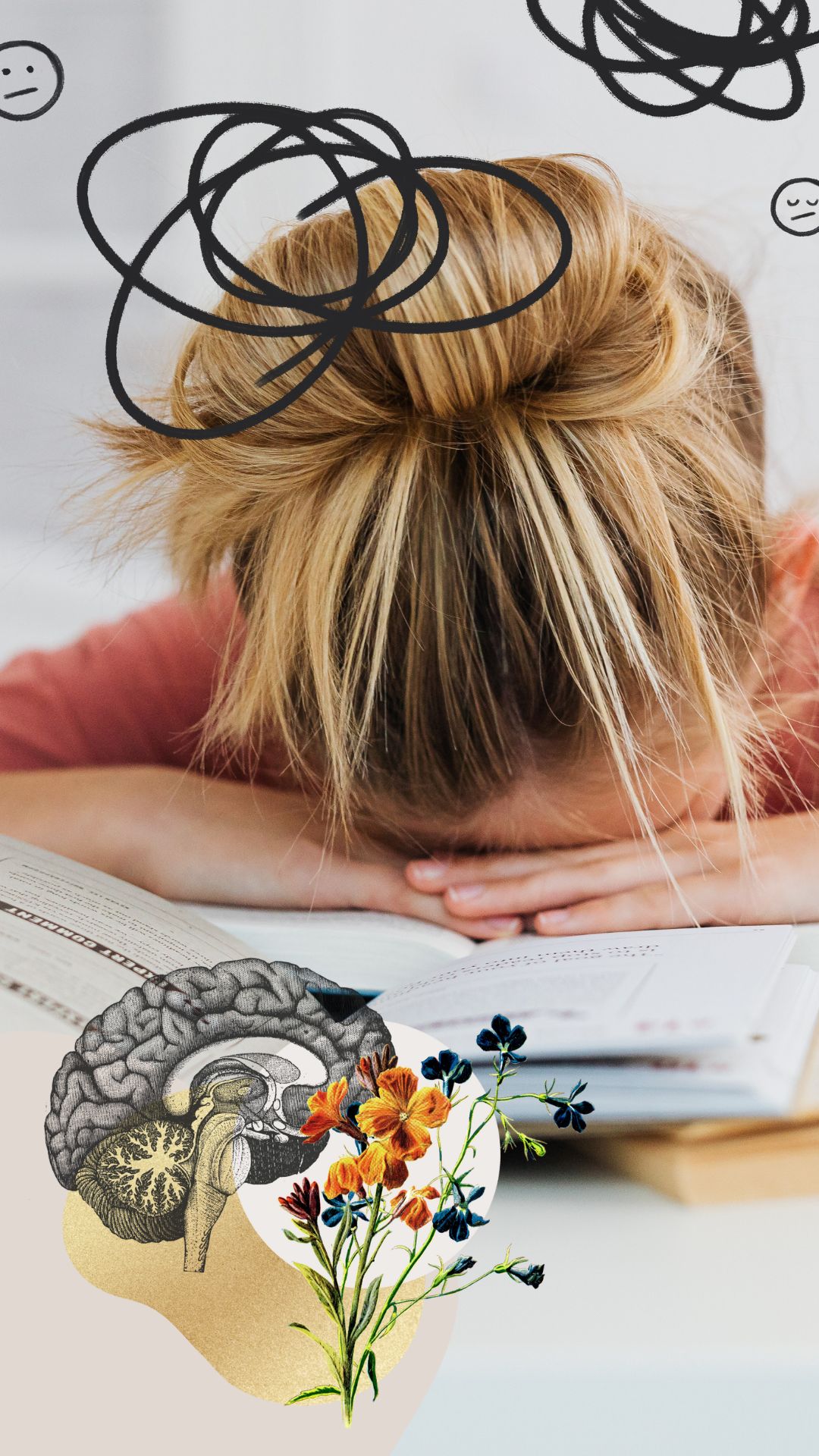
When stress is chronic, relentless, or overwhelming, it shifts from being a stimulus for growth to a biochemical burden. Stress is not just an emotion; it triggers a cascade of physiological responses – the HPA axis (hypothalamic-pituitary-adrenal system) activates, releasing cortisol and adrenaline, increasing heart rate, blood pressure, and inflammation. Over time, excessive stress dysregulates and down regulates immune function, metabolism, gut health, and even gene expression, accelerating aging and increasing the risk of burnout, cardiovascular disease, and autoimmune disorders.
Rest should not have to be earned, it is implicit in every natural rhythm. Tides, moons and menstrual cycles. Even fruit flies have clock genes that signal rest, waking and eating. When we negate and desensitise our bodies to the queues of the rising and setting sun, we damage our circadian rhythms.
There is so much discordance between the pace of people and the pace of technology. My daughter just asked her Google nest to spell the word excited for her and it made me remember paging through the weight of an Oxford dictionary. The body of the book in my hands, the breeze of the turning pages, the sense of my finger trailing down the smooth page. What would have taken me 120 seconds at least, took my 8 year old less than 15 seconds to achieve with AI. I don’t believe we were designed to operate at such high speeds, certainly not all of the time; and the state of our psyches reflects this likely truth.
We are in the wild swell of such rapid change. Our brains cannot keep up with this kind of pace and expectation. We have begun to expect of ourselves and each other what we expect of machines. Keeping your nervous system well regulated is about giving your parasympathetic rest system a chance to be in charge for a part of every single day.
Remembering that you are an extension of the natural world reminds us that we need contact with the earth. Take off your shoes, stroke the belly of another human. We are animal too. We need touch, breath, sleep, and song.